Positioned just 240 kilometres south of Nairobi, Amboseli National Park remains one of East Africa's defining safari landscapes. Written by our field team, this practical Amboseli National Park safari guide provides raw facts for planning a trip, from navigating entry gates to understanding seasonal elephant migrations across the dry lakebed.
The park spans 392 square kilometres at the base of Mount Kilimanjaro. Glacial snowmelt from Africa's highest peak percolates through porous volcanic rock, emerging in Amboseli as permanent underground springs. These freshwater swamps sustain dense concentrations of wildlife when the surrounding Maasai plains dry out completely during the non-rainy periods.
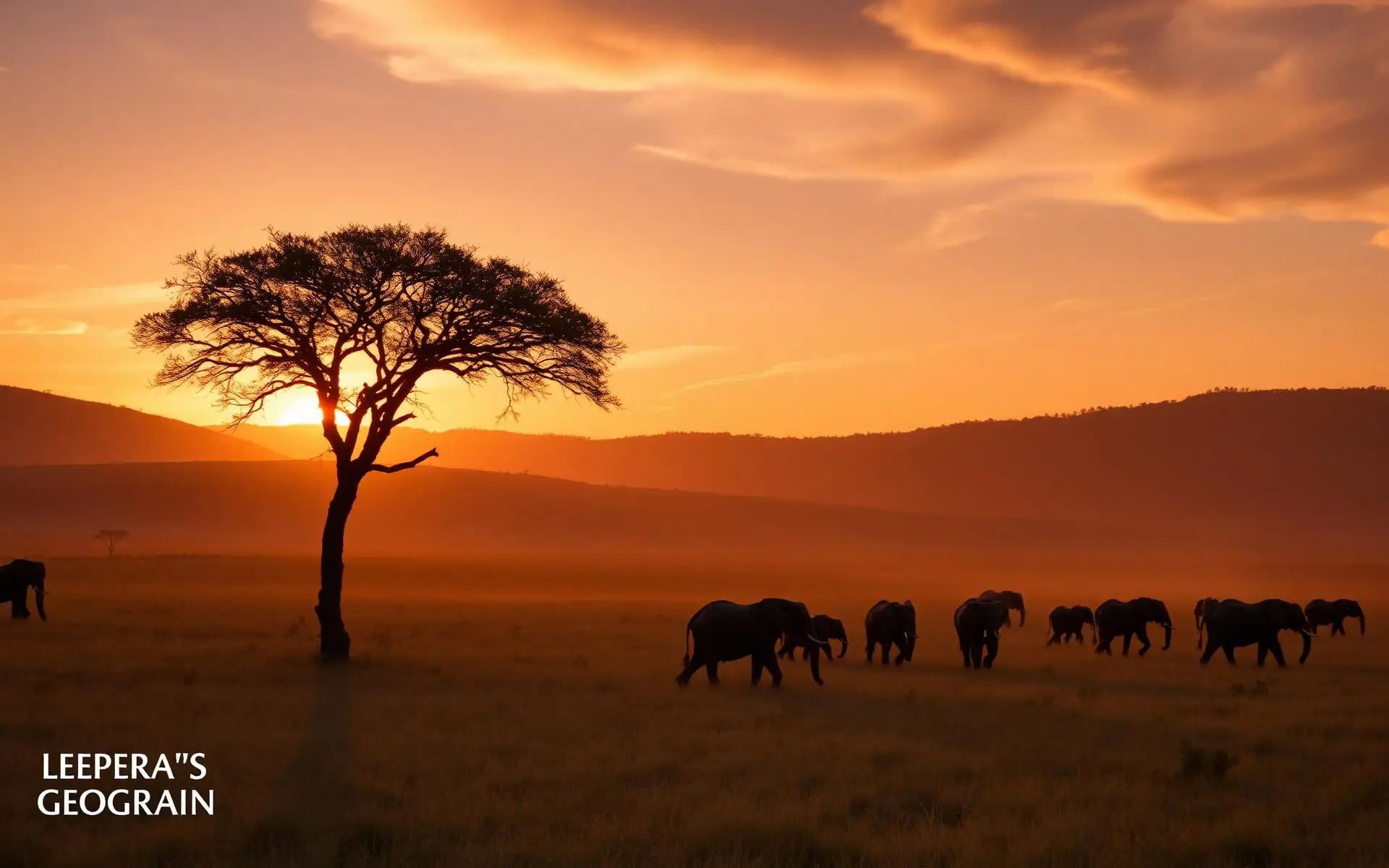
Large bull elephants with heavy ivory roam these marshlands alongside matriarchal herds exceeding forty individuals. Beyond elephants, Amboseli supports healthy populations of lion, cheetah, spotted hyena, plains zebra, and over 400 species of bird. Observation Hill offers a vantage point to map game movements across Enkongo Narok swamp without leaving your vehicle parked on delicate ground.
The dry seasons from June to October and January to February offer the reliable game viewing. During these months, vegetation thins out and animals gather around central water sources like Ol Okenya swamp. Crisp, clear mornings yield sharp views of Kilimanjaro's Kibo peak before cloud cover rolls in by mid-morning.
The long rains arrive between March and May, followed by short rains in November and December. While muddy tracks require proper four-wheel-drive vehicles with high clearance, these wet periods bring migrant birds, lush green landscapes, and lower lodge rates. Photographers often prefer November for dramatic storm skies contrasting against yellow-fever acacia groves.
Reaching the park is straightforward. Driving from Nairobi along the paved A109 highway to Emali takes roughly four hours before turning south onto the tarmac road leading to Kimana Gate. Alternatively, daily scheduled flights from Wilson Airport land at Amboseli Airstrip in just 45 minutes, avoiding road transit entirely.
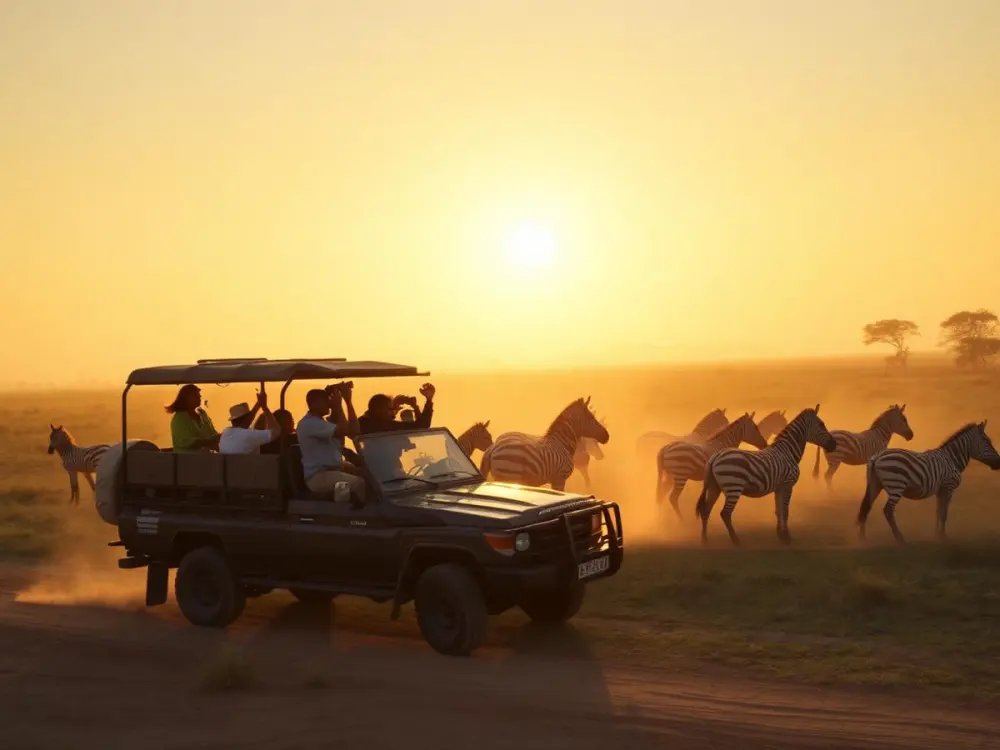
Standard non-resident adult park entry fees set by the Kenya Wildlife Service sit at 100 USD per 24-hour period during high season. Self-drive visitors must ensure their vehicle has sufficient clearance for rough tracks inside the park. When our team at Premylance Adventures designs custom itineraries, we pair private safari vehicles with professional spotters who understand animal movements.
Accommodation options surround the park boundaries and sit within private conservancies like Selenkay. Luxury tented camps charge between 450 USD and 1,200 USD per person per night on an all-inclusive basis. Staying in adjacent conservancies allows night game drives, guided bush walks, and authentic cultural visits with local Maasai communities that are restricted inside the main park.
This Amboseli National Park safari guide recommends a focused two- to three-night stay inside or adjacent to the park. This timeframe provides four to six game drives, giving travellers ample opportunity to photograph wildlife against the mountain backdrop, explore the swamps, and observe complex elephant social behaviour without rushing the itinerary.
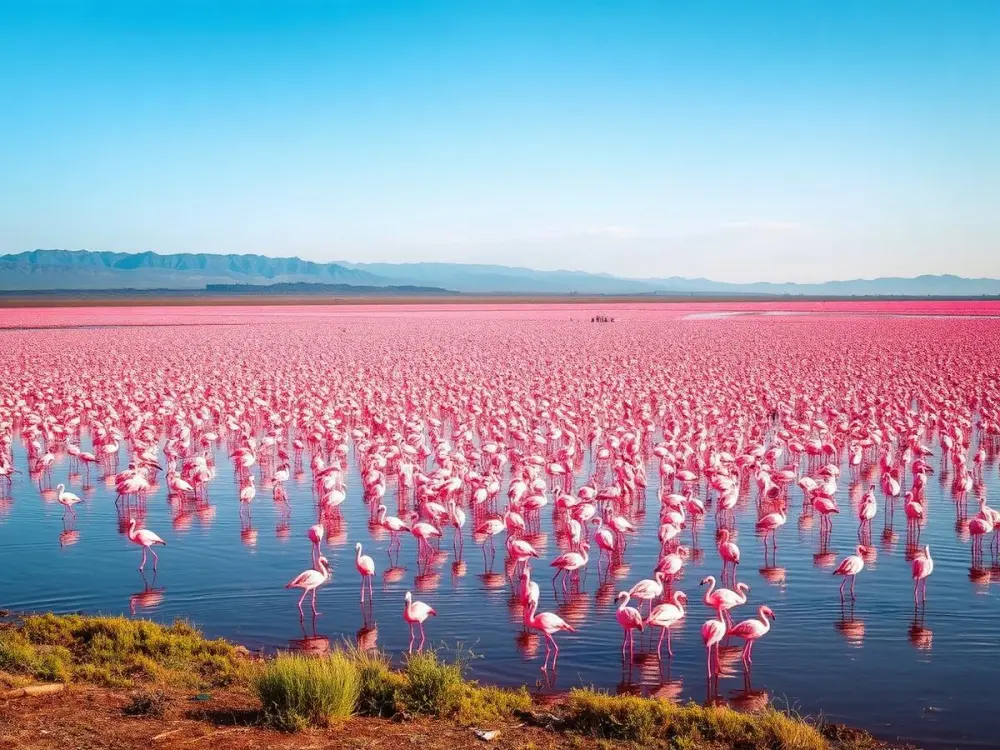
Most travellers pair Amboseli with other key destinations across Kenya. A classic circuit links three nights in Amboseli with two nights at Lake Naivasha or Lake Nakuru, concluding with three nights in the Maasai Mara. Air transfers between airstrips allow seamless travel between these distinct ecosystems in under two hours.
Using an experienced guide ensures you avoid common mistakes, such as driving off designated tracks or missing early morning mountain views. In this Amboseli National Park safari guide, we always advise guests to pack warm layers for 06:00 starts, alongside a 300mm telephoto lens for wildlife photography. Contact Premylance Adventures to curate your private safari tailored to your travel dates.