North of Mount Kenya, the landscape drops into the arid, acacia-dotted scrublands of the Ewaso Ng'iro basin. This comprehensive Samburu National Reserve wildlife guide provides field-tested insights for exploring one of Kenya's most distinctive wilderness areas. Spanning 165 square kilometres, Samburu offers a stark, dry-country contrast to the lush savannas of southern Kenya, defined by red dust, doum palms, and rugged basalt hills.
The primary draw for safari enthusiasts is the Samburu Special Five—endemic species adapted to arid northern conditions. Visitors regularly track Grevy's zebra with their narrow stripes and rounded ears, reticulated giraffes bearing stark geometric coat patterns, Beisa oryx displaying long straight horns, blue-legged Somali ostriches, and the gerenuk, a gazelle that stands upright on its hind legs to browse high acacia shoots.
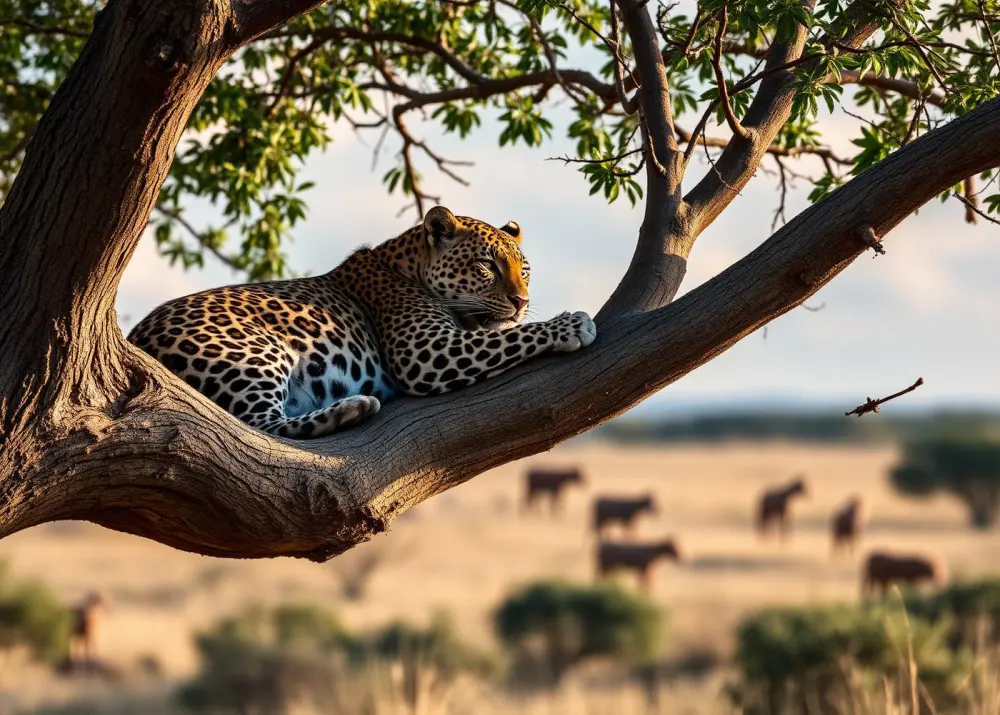
Predators thrive along the riverine forests framing the Ewaso Ng'iro River. Leopards use thick riverine acacia branches for daytime resting, while lion prides hunt along dusty river channels. Cheetahs favour the open plains toward Buffalo Springs, and endangered African wild dogs occasionally move through neighbouring community conservancies like Kalama and West Gate. Early morning game drives along the main river circuits offer the highest predator success rates.
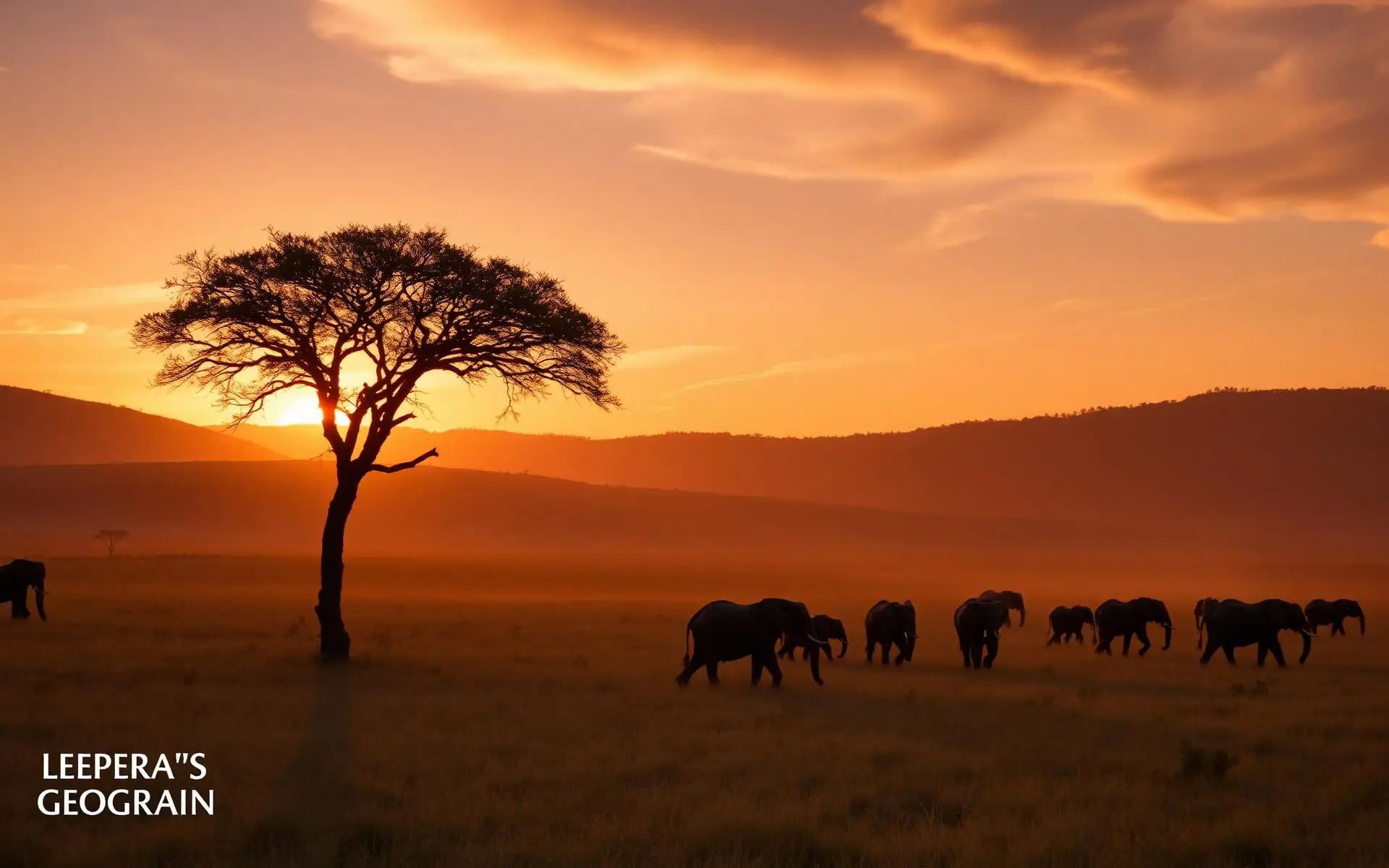
Elephants form the ecological heart of the reserve, with several hundred individuals migrating through the ecosystem. Research groups like Save the Elephants have studied these family units for decades. During dry months from July to October, elephants dig deep wells into dry riverbeds, creating water access points for other wildlife. Following our Samburu National Reserve wildlife guide recommendations allows travellers to observe these sophisticated social behaviours responsibly.
Birdwatchers record over 450 species across Samburu's varied habitats. The riverine woodland supports kingfishers, sunbirds, and palm-nut vultures, while arid plains shelter the striking Vulturine guineafowl with its iridescent blue plumage. Martial eagles hunt from high basalt outcrops, and heavily built kori bustards strut across the scrub. November to April introduces palearctic migratory birds, expanding the species list significantly for avid ornithologists.
Wildlife viewing peaks during the dry seasons: July through October and January through March. As surface water dries elsewhere, animals concentrate along the Ewaso Ng'iro River. Daytime temperatures average 32 degrees Celsius, while nights cool down to 18 degrees. The short rains in November and long rains in April and May turn the dusty landscape green, dispersing wildlife but offering superb birdwatching and clear atmosphere for photography.
Reaching Samburu requires either a 310-kilometre drive from Nairobi taking roughly five and a half hours via Nanyuki and Isiolo, or a 45-minute daily scheduled flight from Wilson Airport to Kalama or Samburu Oryx airstrips. Non-resident conservation entry fees stand at 70 USD per adult per 24 hours during low season and 80 USD during high season, payable at Archer's Post Gate or West Gate.
Accommodation choices range from luxury tented camps along the riverbanks to eco-lodges perched on surrounding rocky hills. Rates typically range between 600 USD and 1,500 USD per person per night, fully inclusive of game drives, meals, and park fees. Many properties operate within private conservancies bordering the main reserve, permitting night drives and walking safaris that are restricted inside the national reserve boundaries.
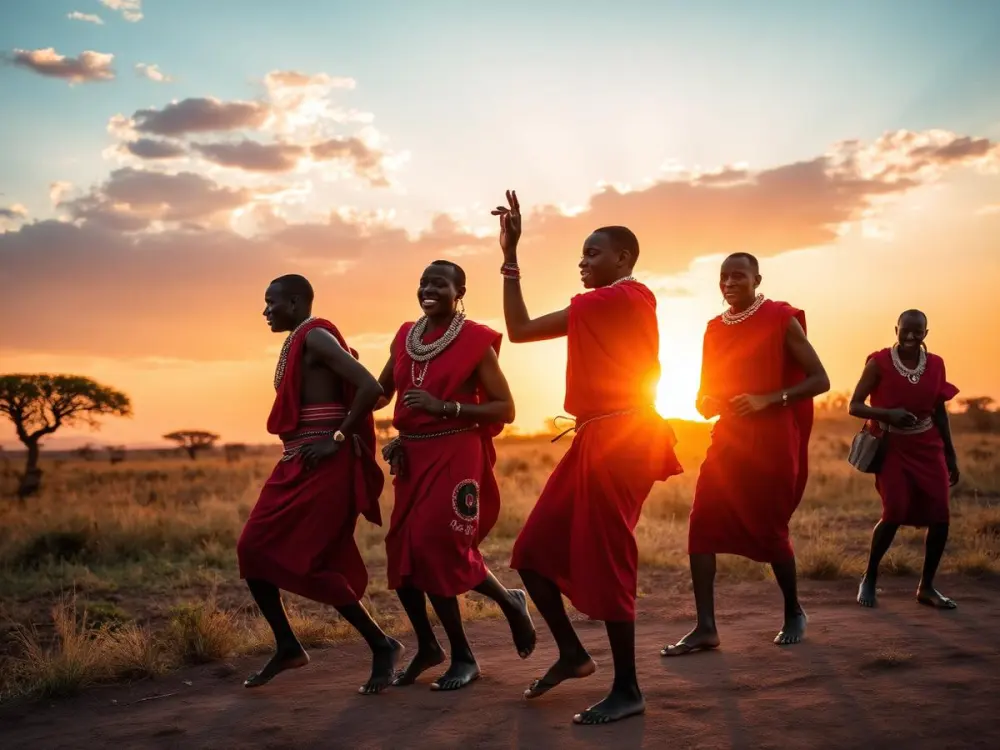
The reserve operates in close harmony with the indigenous Samburu people, semi-nomadic pastoralists related to the Maasai. Respectful cultural visits organized through local conservancies provide insight into traditional livestock management, beaded adornments, and community-led wildlife conservation. At Premylance Adventures, we ensure cultural interactions directly benefit local village families and support community healthcare and education initiatives across the district.
Combining northern Kenya with southern ecosystems creates a complete safari itinerary. We recommend spending three nights in Samburu before flying south to the Maasai Mara or stopping at the Lewa Wildlife Conservancy in Laikipia. Refer to this Samburu National Reserve wildlife guide when planning your dates, or contact the Premylance Adventures team in Nairobi to design a bespoke northern circuit expedition with experienced field guides.