
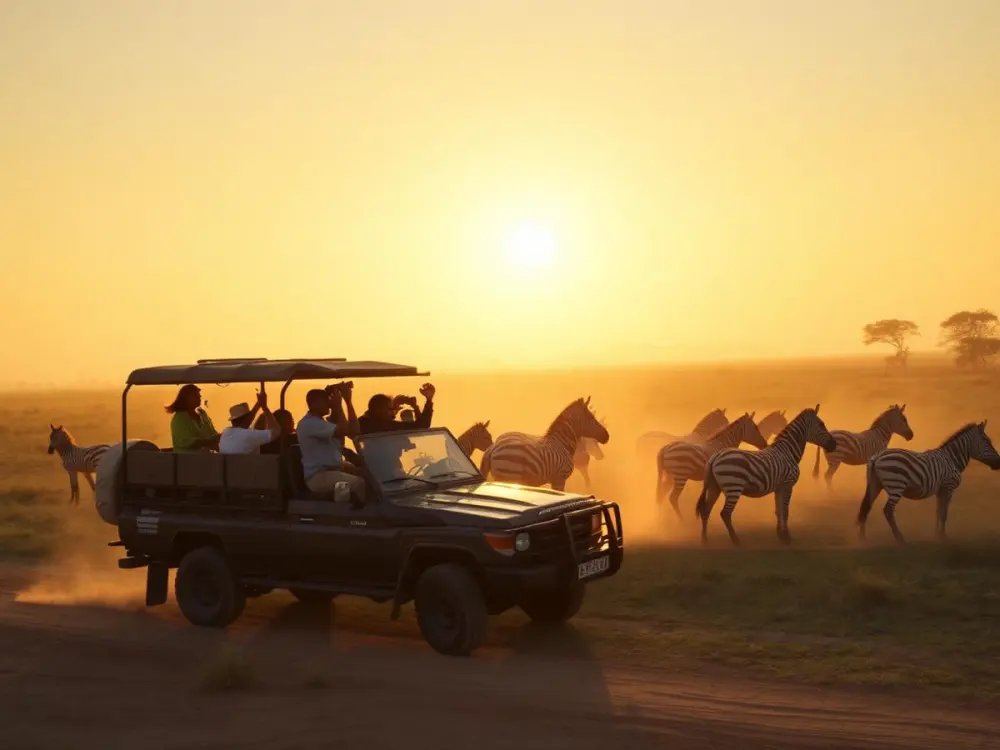
The Great Migration in the Maasai Mara
Over 1.5 million wildebeest, zebra and gazelle cross into Kenya each year — when to come, where to stay and how to actually see a river crossing.
The short answer
The Great Migration reaches the Maasai Mara from late June and stays until late October, with the most frequent Mara River crossings from mid-July to early September. August is the single best month. Outside the migration window the reserve's resident lions, leopards and elephants are still superb — at green-season prices.
Where to base yourself
The Mara Triangle gives the closest access to the main crossing points; the eastern sector and private conservancies offer off-road access and night drives. We split longer trips across both.
How far ahead to book
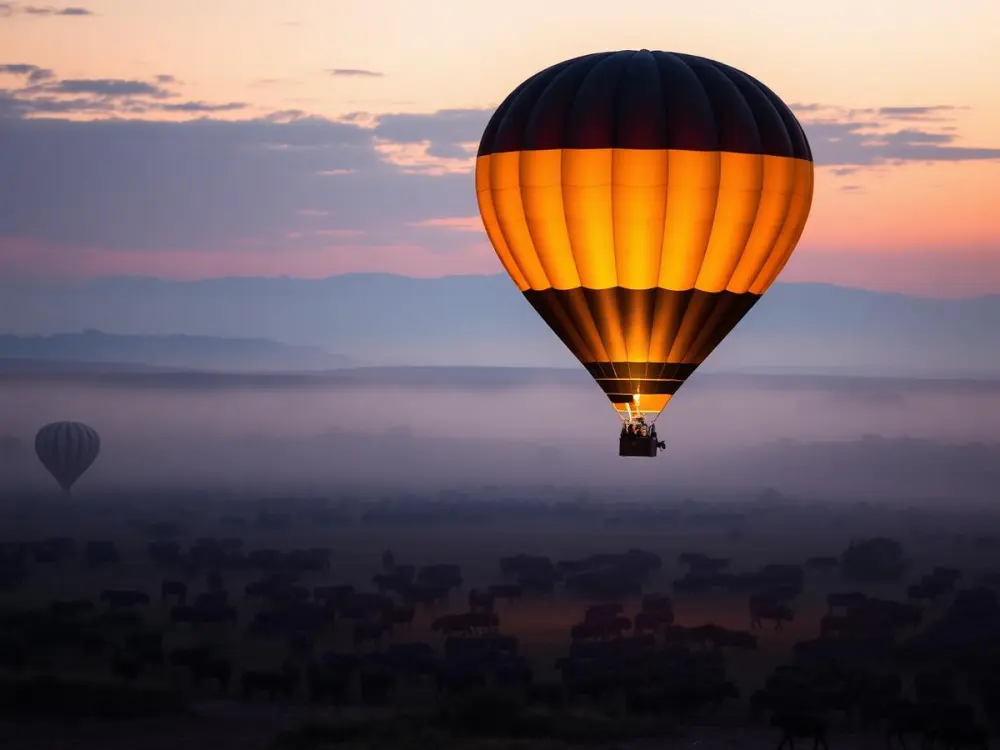
For July to October, book nine to twelve months ahead. The best-positioned camps and hot-air balloon slots over the herds sell out first.
Photography notes
Crossings happen mid-morning in harsh light as often as golden hour — bring fast shutter speeds and patience. September's softer, dustier light is the most forgiving.
Private vehicles
During migration season we recommend a private 4x4 so you can wait at a crossing point for hours without pressure from other travellers' schedules.
Migration season, stage by stage
The herds follow the rain, so dates shift a week or two each year. This is how the season unfolds in a typical year, based on how we position our own departures.
Late June – early July
Herds arrive
The first columns of wildebeest and zebra push into the southern Mara from the Serengeti. Grass is tall, crossings have not started in earnest, and camps are calmer than August.
Mid-July – early September
Peak river crossings
The main Mara and Talek river crossings. Crocodile and big-cat action is at its most intense, and the classic viewpoints fill early — our guides position vehicles before dawn.
Mid-September – October
Peak, quieter
Herds graze across the reserve with continued smaller crossings. Slightly fewer vehicles than August, softer light for photography, and superb predator concentrations.
November
Herds head south
Short-rain showers push the herds back toward the Serengeti. Resident lions, leopards, cheetahs and elephants remain outstanding, and rates soften noticeably.
Migration questions we hear most
- When is the wildebeest migration in the Maasai Mara?
- The herds usually arrive from late June, with the main Mara River crossings between mid-July and early September, and animals remaining in the reserve until late October. Exact timing shifts with rainfall each year.
- Which month is best for river crossings?
- August has the most frequent and dramatic crossings. Mid-July and September are close seconds with fewer vehicles at the crossing points.
- How much does a migration safari cost?
- Migration-season rates run roughly $600 to $1,200 per person per day all-inclusive, depending on camp standard. Our 3-day Maasai Mara safari starts from $2,950 per person including park fees, private guiding, accommodation and meals.
- Is the migration only in Kenya?
- No — the herds circle between the Serengeti in Tanzania (roughly November to June) and the Maasai Mara in Kenya (roughly July to October). We run combined Kenya–Tanzania itineraries that follow the herds across both countries.
- Can I see a river crossing on a 3-day safari?
- Crossings are never guaranteed in a set window — herds can wait hours or days on the bank. Three days in August gives you a strong chance; four to five days materially improves it.
- Is the Maasai Mara worth visiting outside migration season?
- Absolutely. Resident big cats, elephants and the conservancy experience are superb year-round, and green-season rates fall 30–40% below peak. See our month-by-month guide for details.
Crossing-season space alerts
Availability updates for July–October camps, balloon slots and green-season offers — one email a month.
Following the herds across both countries? See our Kenya–Tanzania guide or email info@premylanceadventures.com.